By Amos Dzege
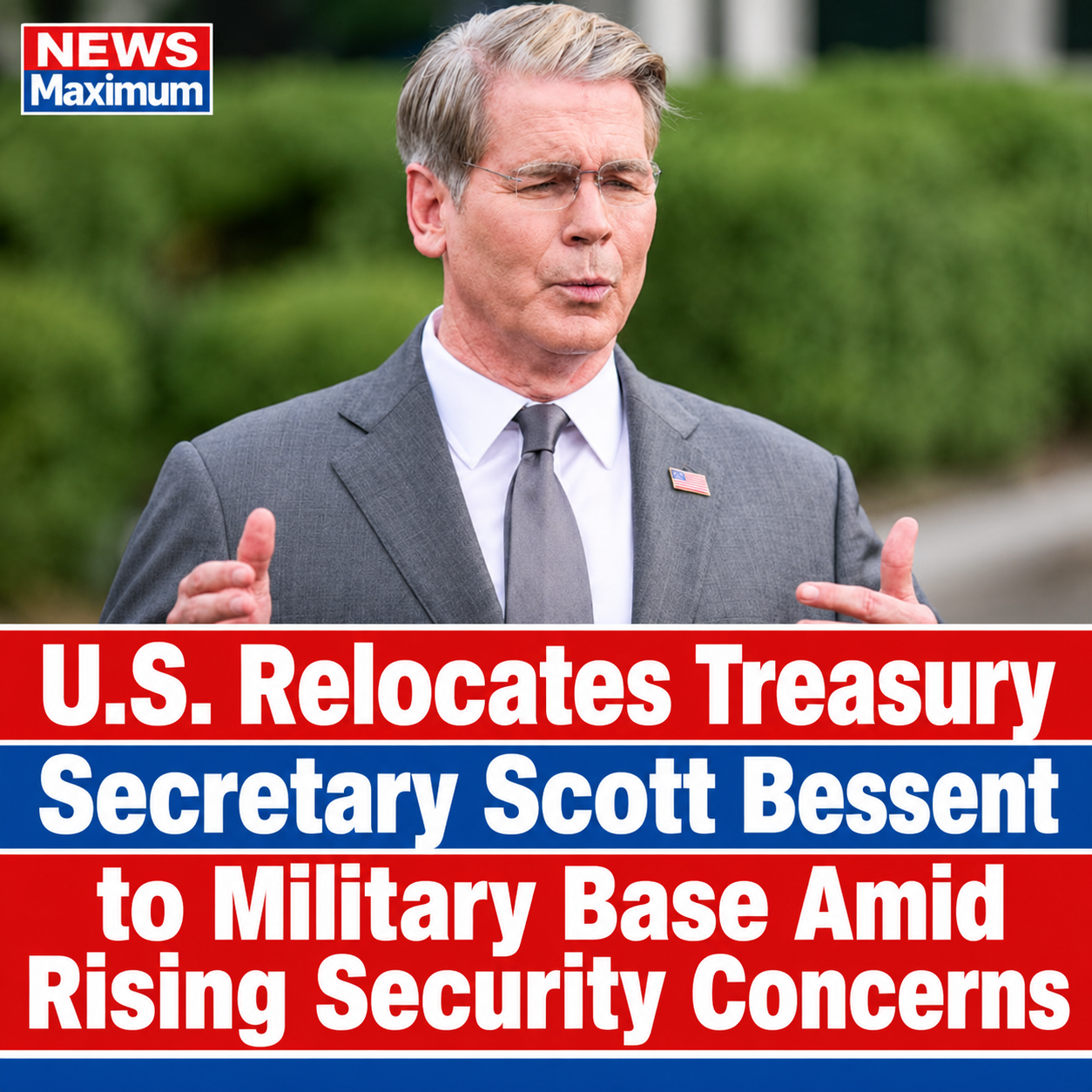
The United States government has moved Treasury Secretary Scott Bessent from his private residence in Washington, D.C., to a military installation following growing concerns over threats to his personal safety, bringing renewed attention to the security challenges confronting senior officials in President Donald Trump’s administration.
The relocation, which reportedly took place in recent weeks, is linked to concerns about possible Iranian threats against Bessent. Although American authorities have not publicly disclosed the full details of the alleged threats, the decision to move one of the country’s most influential economic officials into a more secure environment suggests that the government is taking the potential danger seriously.
Bessent’s security situation is particularly significant because of his central role in the Trump administration’s economic confrontation with Iran. As Treasury Secretary, he has been instrumental in coordinating sanctions and other financial measures designed to restrict Tehran’s access to international markets and weaken its economic capacity.
The administration’s pressure campaign, known as Operation Economic Outcast, has targeted financial institutions and businesses believed to be facilitating transactions connected to Iran. The measures are part of Washington’s broader strategy to compel Tehran to change its policies, particularly concerning regional security and maritime activities.
The relocation therefore comes against the background of escalating tensions between Washington and Tehran, with American intelligence officials expressing concerns about attempts to target U.S. personnel and citizens.
One issue that reportedly contributed to the heightened security concerns was the public disclosure of information that made Bessent’s Washington residence easier to identify. An aerial photograph of his Georgetown property, published in 2025, was said to have raised questions about how easily his home could be located.
Security officials are particularly sensitive to the exposure of private residences belonging to senior government figures because such information can create vulnerabilities beyond their official workplaces. Even when an individual is protected by security personnel, the identification of personal locations can introduce additional risks.
Bessent is not the only senior member of the Trump administration whose accommodation arrangements have been affected by security considerations. Secretary of State Marco Rubio and Defence Secretary Pete Hegseth have also been associated with living on military installations while carrying out their duties in Washington.
Other senior administration officials have previously been moved into protected accommodation following security concerns, reflecting a broader effort to strengthen safeguards around individuals holding sensitive government positions.
The Treasury Department has maintained that the reported threats will not prevent Bessent from carrying out his responsibilities. A departmental spokesperson said the secretary remained committed to implementing the administration’s economic measures against Iran, including the ongoing pressure campaign and blockade.
However, the government has not provided a detailed public account of the intelligence behind Bessent’s relocation. The precise nature of the alleged threats, the individuals believed to be involved and the extent of any immediate danger remain unclear.
Iran has previously rejected allegations that it is plotting attacks against American officials or individuals on U.S. soil. American assessments have also indicated that, although the threat environment requires attention, Tehran’s capacity to organise large-scale attacks inside the United States remains limited.
Nevertheless, the reported movement of Bessent illustrates how international confrontations can extend beyond diplomatic negotiations, military operations and economic sanctions to affect the personal security arrangements of government officials.
For Washington, protecting senior policymakers has become an increasingly important consideration as tensions with foreign adversaries continue to influence national security decisions. Bessent’s relocation also demonstrates the potential personal consequences of occupying a prominent position in an administration pursuing aggressive economic and diplomatic policies against another country.
While the military base arrangement provides an additional layer of protection, the government has yet to indicate how long the Treasury Secretary is expected to remain there. For now, his relocation highlights the seriousness with which American authorities are approaching reported threats against senior members of the administration.