By Amos Dzege
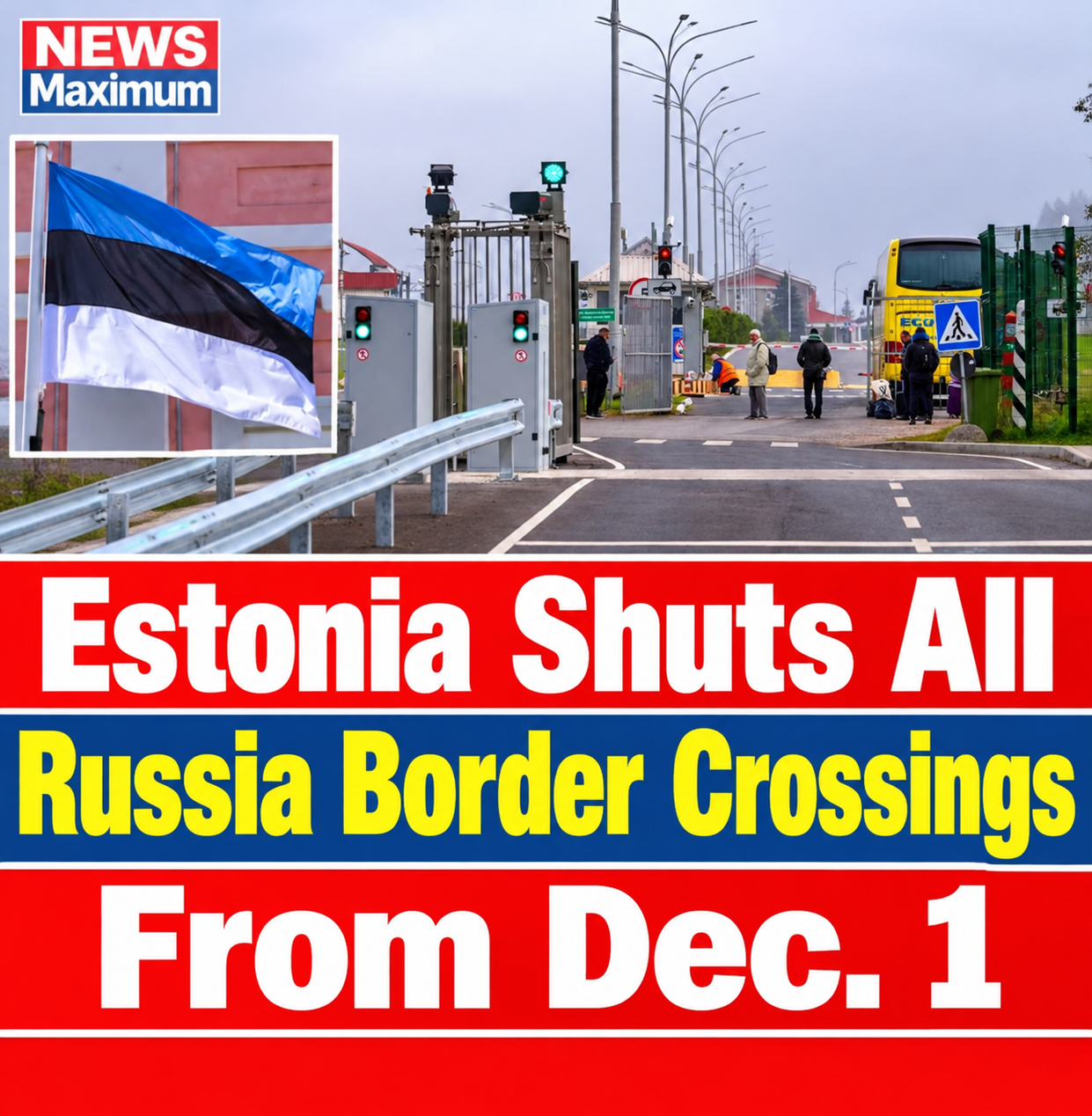
Estonia is preparing to halt road traffic across its remaining border crossing points with Russia from December 1, 2026, in a security decision that follows an alleged Russian-backed attempt to set fire to a company involved in producing military drones.
The announcement, made by Estonian Foreign Minister Margus Tsahkna on Sunday, November 15, signals a further deterioration in relations between the two neighbouring countries. Tallinn says the proposed closure is intended to reduce the risk of hostile operations, protect its defence industry and prevent Russia from exploiting the border for activities that could threaten national security.
The incident that prompted the latest decision involved Threod Systems, an Estonian defence technology company based in Viimsi, north of the capital, Tallinn. Estonian security officials allege that Russia’s military intelligence agency, known as the GRU, was behind the attempted attack.
According to information presented by Estonian authorities, the attempted arson took place at approximately 3:06 a.m. on Saturday, November 14. The suspects allegedly tried to gain access to the company’s premises, break windows and pour flammable substances into the building in an effort to start a fire and potentially cause an explosion.
However, the company’s security personnel reportedly intervened, preventing the operation from causing significant damage. No injuries were reported, while the company’s production activities and ability to deliver its products were said to have remained unaffected.
Estonia’s Internal Security Service, known as KAPO, said its investigation linked the operation to Russian military intelligence. Its director general, Margo Palloson, described the incident as another attempted act of sabotage against Estonia.
Authorities disclosed that eight people, all residents of Latvia, had been detained in connection with the suspected operation. Chief Prosecutor Astrid Asi said prosecutors had applied to the court for the arrest of five of the suspects. Investigators are continuing efforts to establish the individual roles of those involved, how the operation was organised and whether additional people were connected to the alleged plot.
Following the security assessment, Prime Minister Kristen Michal called for steps to be taken towards closing Estonia’s eastern border with Russia. Interior Minister Igor Taro also indicated that the government would move to shut the country’s remaining road crossing points.
Tsahkna subsequently confirmed the December 1 deadline, explaining that the government viewed the measure as necessary to restrict opportunities for hostile activities against Estonia. He also said he had informed the foreign ministers of Finland, Latvia and Lithuania about the decision, as well as colleagues within the European Union.
The three road crossings affected are Narva, Luhamaa and Koidula. They have continued to serve as limited routes for the movement of people and freight between the two countries, despite restrictions introduced in recent years.
The closure will further reduce the already limited overland connections between Russia and the European Union. Estonia had previously tightened border controls, while Russia suspended vehicle traffic through the Narva crossing in February 2024, although pedestrian movement continued.
Russian officials have reacted critically to the announcement. Foreign Ministry spokeswoman Maria Zakharova said Moscow would verify whether Estonia intended to implement the closure, adding that such a move, if confirmed, would be viewed by Russia as another expression of what it described as hostility towards Moscow.
Estonia, however, maintains that the measure is a response to security concerns and not an isolated diplomatic gesture. The government has linked its decision to a wider pattern of suspected sabotage operations targeting defence-related businesses and critical infrastructure across Europe.
The latest case has also drawn attention because it follows an earlier attempted arson attack involving Milrem Robotics, another Estonian defence contractor based in Tallinn. Latvian nationals were also arrested in connection with that incident in August.
Estonia is a member of both NATO and the European Union and has consistently supported Ukraine following Russia’s full-scale invasion in 2022. Its government has argued that protecting domestic defence production is increasingly important as European countries strengthen their military capabilities and support Ukraine.
Although the December 1 closure date has been announced, Estonian authorities have not specified how long the restrictions will remain in place or when the crossings might reopen.