By Amos Dzege
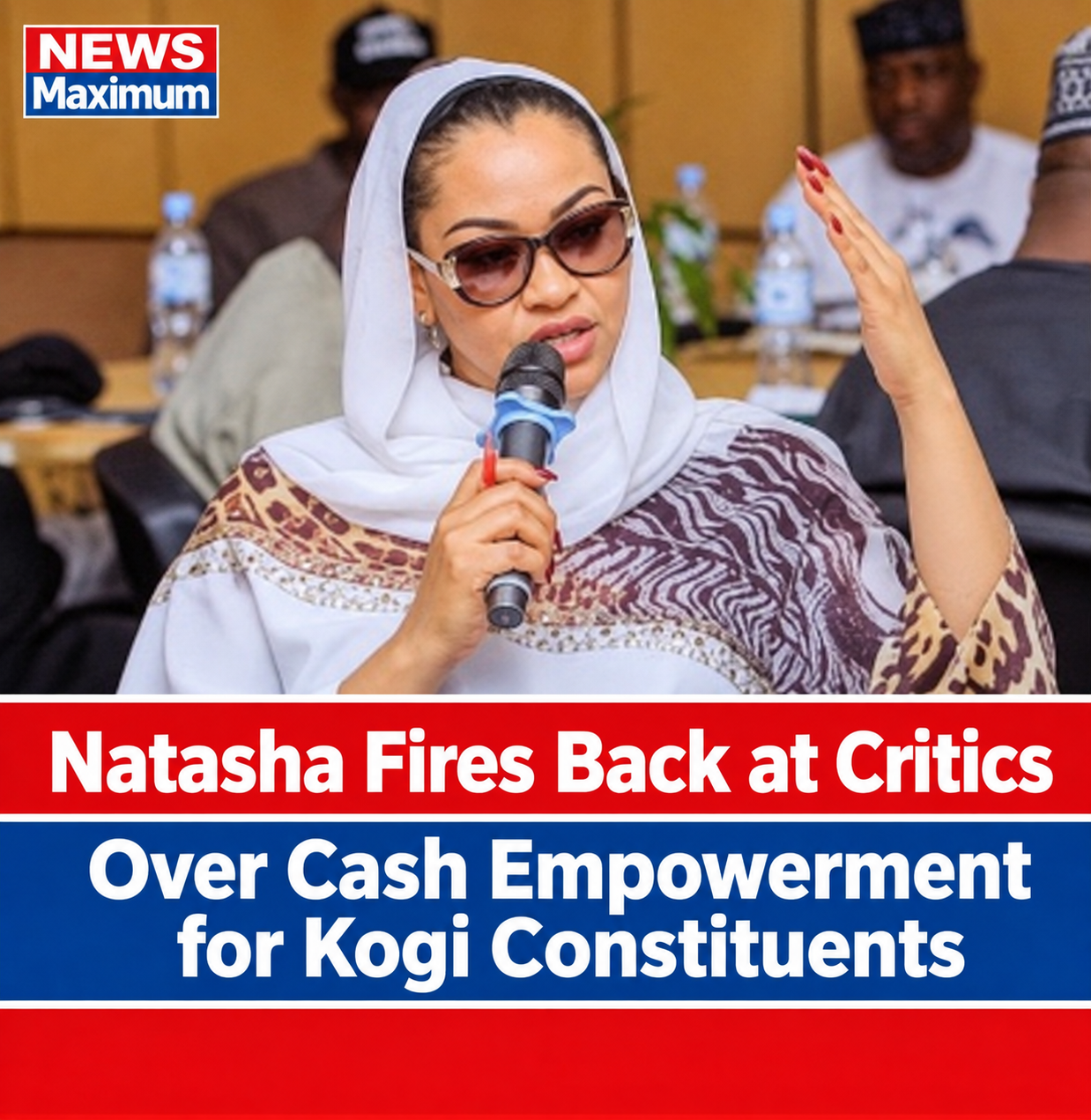
Senator Natasha Akpoti-Uduaghan has responded to criticism surrounding her cash empowerment programme for constituents in Kogi Central, standing firmly behind the initiative despite the mixed reactions it has generated among members of the public.
The senator’s decision to distribute cash to people in her constituency has attracted considerable attention, with the programme triggering fresh discussions about the best ways elected representatives can support their constituents, particularly amid the country’s prevailing economic difficulties.
While some people have questioned the effectiveness of distributing cash as an empowerment strategy, others may see the intervention as a practical way of providing immediate financial relief to residents struggling to meet their daily needs.
However, Akpoti-Uduaghan has defended the initiative, maintaining her position amid the criticism directed at the programme. Her response has brought renewed attention to the different approaches politicians adopt when implementing constituency empowerment projects.
The controversy has also attracted the attention of the Obi-Kwankwaso Movement, which has called on the Economic and Financial Crimes Commission (EFCC) to investigate the senator’s cash empowerment exercise over allegations of vote-buying. The group reportedly wants the anti-graft agency to examine the circumstances surrounding the distribution of the money. However, the allegation remains a claim by the movement and has not been established as fact.
Cash empowerment programmes have remained a common feature of political interventions in Nigeria, with several public office holders providing financial assistance, business grants and other forms of support to their constituents. However, such initiatives frequently generate debate over their sustainability and actual impact on the beneficiaries.
Critics of direct cash distribution often argue that elected representatives should prioritise projects capable of creating lasting economic opportunities, including vocational training, business development, access to education, improved healthcare and employment generation.
On the other hand, supporters of financial assistance maintain that direct cash interventions can make an immediate difference, especially for low-income households, small business owners and individuals facing financial difficulties.
The controversy surrounding Natasha’s programme has therefore reopened an important conversation about what constituency empowerment should look like and whether immediate financial support should take priority alongside long-term development projects.
For many Nigerians, the expectation is that elected representatives should not only provide temporary relief but also introduce initiatives that improve living conditions and create sustainable opportunities for their people.
As reactions to the programme continue, the debate surrounding the senator’s empowerment initiative reflects the growing public interest in how politicians utilise their positions to address the economic and social needs of the communities they represent.