The 2026 FIFA World Cup will undoubtedly be remembered not only for the football played on the pitch but also for a wave of controversies that have cast a shadow over the tournament and raised serious questions about the leadership of FIFA President Gianni Infantino.
From allegations of political interference to disputed disciplinary decisions, controversial refereeing calls and claims of unequal treatment of some participating nations, many critics believe this year’s tournament has damaged FIFA’s credibility and the image of world football.
One of the biggest controversies surrounded reports that United States President Donald Trump contacted Gianni Infantino regarding the suspension of United States striker Folarin Balogun after he received a red card. Balogun’s automatic suspension was subsequently overturned, allowing him to feature in the next match. Although FIFA has insisted that its judicial bodies acted independently, critics argue that the sequence of events created the perception that political influence may have played a role in football’s disciplinary process.
The tournament was also dogged by allegations that not all participating nations were treated equally. Social media videos circulated claiming that Senegal’s delegation underwent unusually extensive airport security checks on arrival in the United States. While those claims have not been conclusively verified, they nevertheless fuelled concerns about whether every team was afforded equal treatment.
Similarly, Iran’s team generated criticism over its travel arrangements after reportedly being required to stay in Mexico and make lengthy journeys into the United States for matches instead of being based closer to their venues. Critics argued that such arrangements placed unnecessary physical and logistical burdens on the team and undermined the principle of competitive fairness.
Several refereeing decisions also generated fierce debate throughout the competition. Critics pointed to controversial VAR interventions, disputed penalties and key match decisions that they believe influenced important results. The growing perception among many football fans was that officiating lacked consistency and transparency.
Questions were also raised over allegations that Argentina benefited from favourable refereeing decisions during the tournament. While no evidence has conclusively proven those claims, widespread debate on social media and among football commentators added to the growing list of controversies surrounding the World Cup.
As criticism intensified, several prominent football figures openly questioned Gianni Infantino’s leadership.
La Liga president Javier Tebas became one of the most outspoken critics, calling on Infantino to resign. Tebas accused the FIFA president of damaging world football by prioritising commercial interests, expanding FIFA competitions at the expense of domestic football and allowing political influence to undermine the sport’s integrity.
Former Liverpool manager Jürgen Klopp also criticised FIFA’s handling of the Balogun controversy, warning that if political leaders could influence disciplinary matters, it would undermine confidence in football’s governance and call the sport’s integrity into question.
British football broadcaster Jeff Stelling similarly argued that FIFA’s handling of the controversy had damaged public confidence in the organisation and called for Infantino to step aside.
Even former FIFA president Sepp Blatter, although stopping short of demanding Infantino’s resignation, said politics had overshadowed football and warned that the tournament had lost credibility because of the controversies surrounding it.
For its part, FIFA has consistently denied any wrongdoing. The organisation maintains that its disciplinary and judicial bodies operate independently, and Infantino has rejected suggestions that political leaders influenced FIFA’s decisions during the tournament.
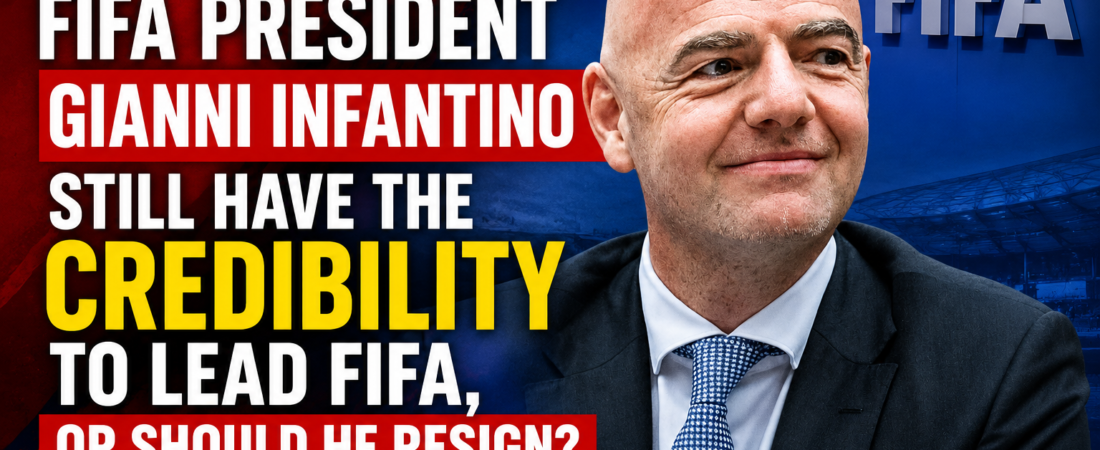
The above points cast doubt on the credibility of FIFA President Gianni Infantino, although he has denied any wrongdoing. The question therefore remains: Should he continue leading FIFA, or should he resign?
Editor’s Note: Some of the incidents discussed above remain allegations or matters of public debate and have not been conclusively established. FIFA has denied improper political influence over its disciplinary processes.
NewsMaximum