By Amos Dzege
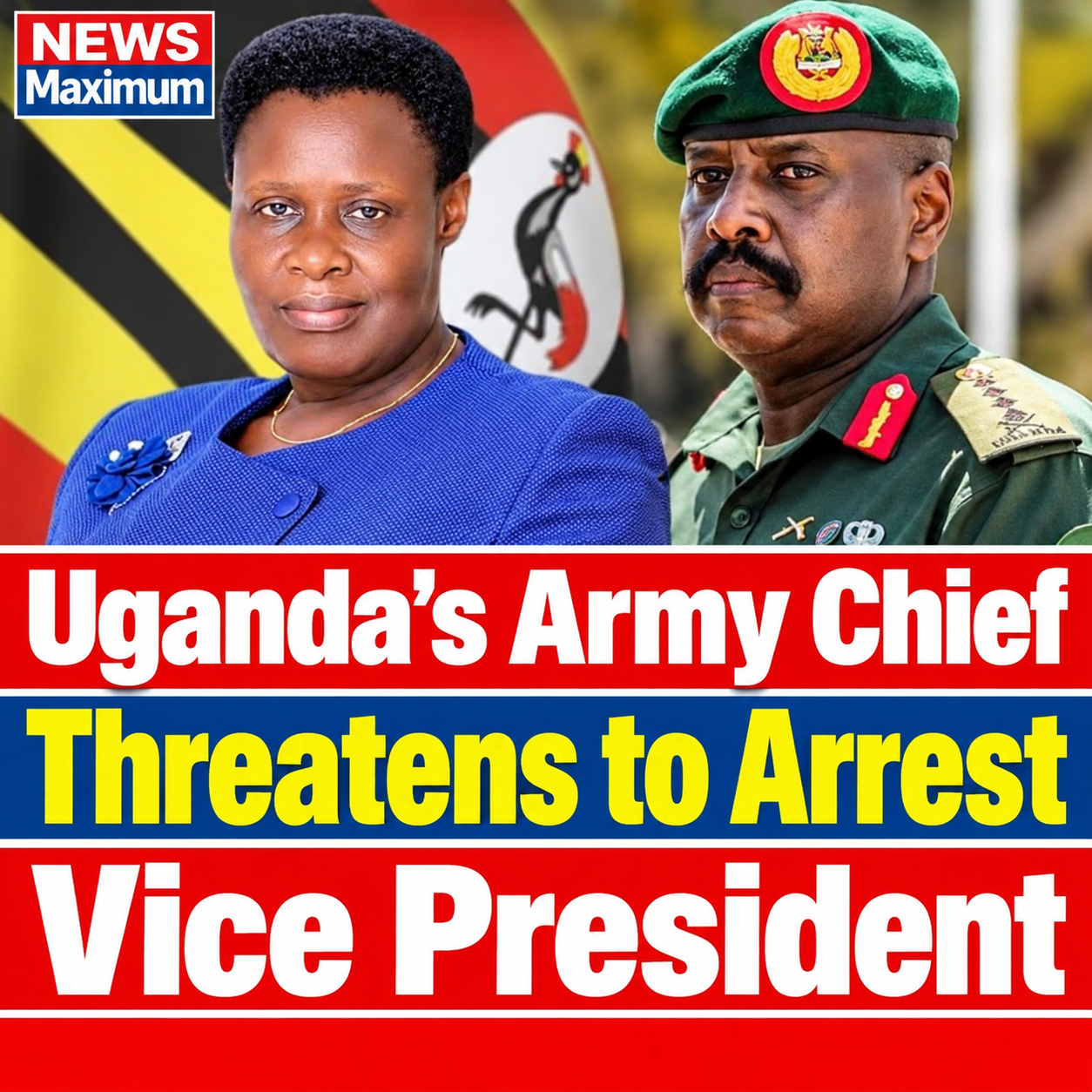
Uganda is facing renewed political uncertainty as an increasingly public power struggle surrounding President Yoweri Museveni’s possible successor takes a new turn, following threats by the country’s military chief against Vice President Jessica Alupo.
General Muhoozi Kainerugaba, Uganda’s Chief of Defence Forces and son of the long-serving president, has sparked fresh controversy after warning that Alupo could be removed from office and arrested if investigations establish her alleged involvement in activities he described as treacherous. His remarks have intensified concerns about the growing influence of the military in the country’s political affairs and the future direction of Uganda’s leadership.
The confrontation comes at a particularly sensitive moment, with Museveni, who has governed Uganda since 1986, facing growing questions about who will eventually succeed him. Kainerugaba, 52, has increasingly positioned himself as a potential presidential contender, with supporters already campaigning around his ambition to take over from his father in the 2031 elections.
In a series of posts on X on November 9, the army chief openly questioned Alupo’s position in government, suggesting that she should prepare to leave office. He also indicated that he wanted to assume the vice-presidential position, arguing that the government needed a different approach to administration.
Kainerugaba further accused Alupo of potentially supporting activities associated with former deputy army chief, Lieutenant General Peter Elwelu. He warned that she would face arrest if investigations established her involvement in the alleged activities.
The comments generated considerable controversy because they came from a serving military commander publicly threatening one of the country’s highest-ranking civilian officials. Alupo has not publicly responded to the accusations, while Kainerugaba’s X account subsequently became inaccessible, leaving questions about the circumstances surrounding its disappearance.
The dispute is unfolding against the background of a series of arrests involving senior Ugandan military officers. Over the past 15 months, at least a dozen generals and other high-ranking personnel have reportedly been detained, investigated or charged in cases involving allegations ranging from corruption and theft to treason and activities considered threatening to national security.
One prominent case involves Elwelu, who was arrested in November over allegations that he was involved in activities intended to destabilise parts of eastern Uganda. Military authorities said weapons and other military-related items had been recovered in connection with the investigation. However, allegations against him have not been fully established, and his family has rejected the accusations.
While the military has defended the arrests as part of efforts to address corruption and criminal activities within its ranks, some observers believe the developments could also reflect deeper divisions over Kainerugaba’s growing political ambitions. There are concerns that officers perceived to be uncomfortable with his leadership aspirations could be facing increasing pressure.
The succession question has also exposed disagreements within the ruling National Resistance Movement (NRM). Reports emerged that senior party figures had resisted proposals to position Kainerugaba as Museveni’s preferred successor during a closed-door meeting in November.
According to accounts attributed to participants at the meeting, some officials questioned whether the army chief was prepared for civilian political leadership, with suggestions that he should first leave the military and gain experience in government.
However, NRM Secretary General Richard Todwong subsequently rejected reports that the party had formally opposed Kainerugaba’s succession ambitions, describing the claims as false and insisting that official decisions would be communicated through the appropriate channels.
Museveni, 82, has ruled Uganda for nearly four decades and secured another presidential term in the 2026 elections. His son, meanwhile, has built a political support base through the Patriotic League of Uganda, a movement associated with efforts to promote his eventual presidential ambition.
Kainerugaba’s conduct has repeatedly attracted criticism, particularly his use of social media to issue threats against political opponents and make controversial statements on national security matters.
The latest confrontation involving the vice president has therefore raised fresh questions about the boundaries between military authority and civilian government in Uganda.
As the succession debate gathers momentum, the country’s political establishment faces the challenge of managing growing tensions within both the ruling party and the armed forces. Whether Kainerugaba’s ambitions will receive the full backing of the political establishment remains uncertain, but his latest threats have made the struggle over Uganda’s future leadership increasingly difficult to ignore.