
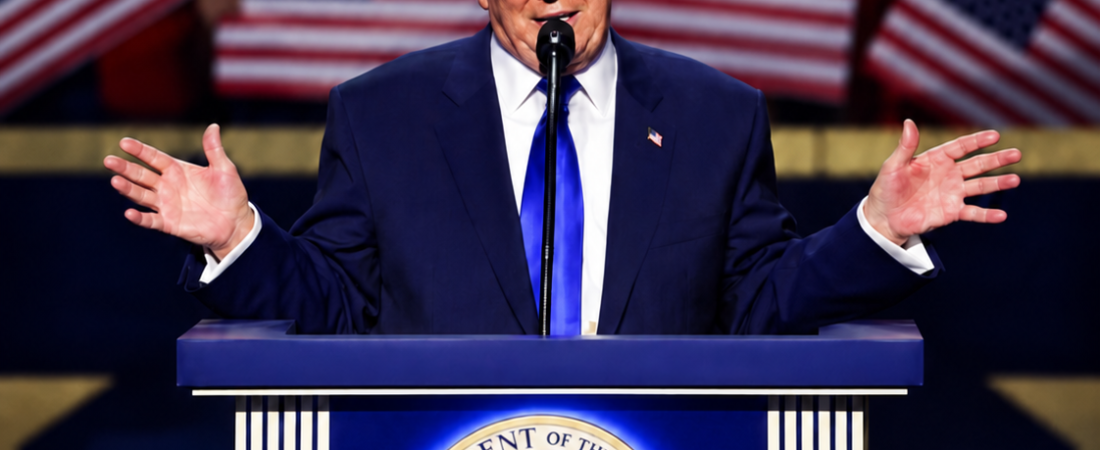
United States President Donald Trump has promised to pay every adult American citizen a $5,000 “Trump Dividend” if Republicans retain control of both the Senate and the House of Representatives in the November 2026 midterm elections.
Trump announced the proposal during the Republican midterm convention in Dallas, claiming that the United States was generating substantial revenue from tariffs and other economic activities.
He said the payment would reflect the country’s economic success and reportedly proposed restricting the money to purchases made within the United States. However, he did not provide a detailed funding or implementation plan.
Estimates suggest that paying $5,000 to approximately 245 million American adults could cost between $1.2 trillion and $1.35 trillion. Any such payment would also require approval from Congress because the president cannot authorise federal expenditure unilaterally.
The announcement has attracted criticism from Democrats, fiscal conservatives and economic analysts. Some critics have described the conditional promise as an attempt to influence voters with a direct financial incentive, while others have warned that the enormous expenditure could increase government borrowing and worsen inflation.
Supporters have rejected the vote-buying allegation. They argue that the proposal is a campaign promise involving a nationwide government programme—not a private payment offered to particular individuals in exchange for their votes. Eligible citizens would reportedly receive the dividend regardless of how they personally voted.
Legal commentators have similarly distinguished the proposal from conventional electoral bribery, although questions remain about its affordability and whether it would ever receive congressional approval.
The controversy has drawn comparisons with vote buying in Nigeria, where politicians or their agents have sometimes been accused of distributing cash directly to individuals around polling stations in exchange for electoral support.