
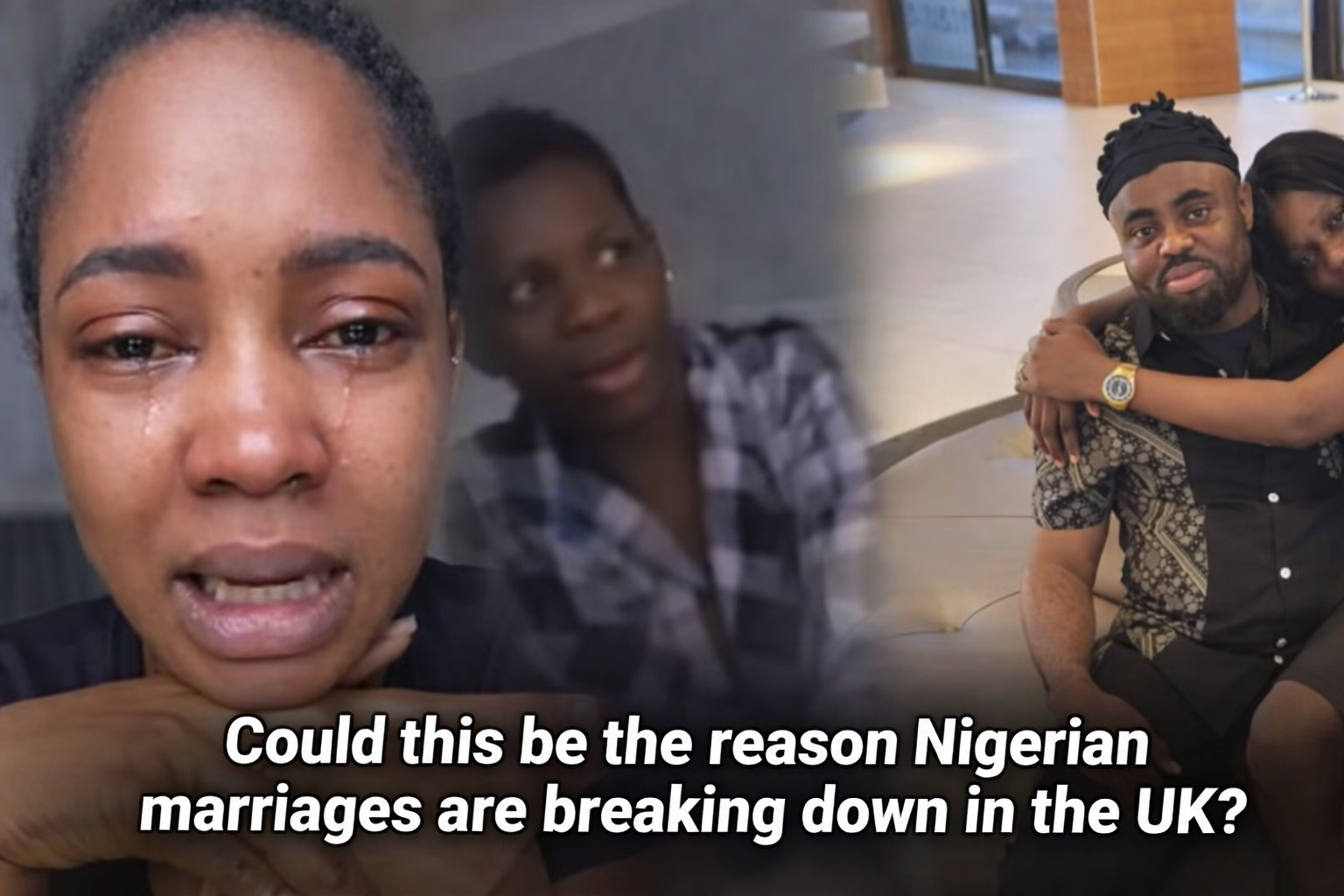
A new BBC investigation has ignited intense
debate within Nigerian communities in the UK, raising concerns about whether
immigration rules designed to protect vulnerable spouses are being misused —
and whether this could be linked to the rising number of Nigerian marriages
reportedly collapsing abroad.
The BBC report revealed that some migrants may
be making false domestic‑abuse claims to access a special Home Office
concession. This policy allows migrants on temporary partner visas — often
financially and legally dependent on their spouse — to remain in the UK if
their relationship ends due to abuse. Once accepted, the applicant receives three
months’ leave to remain, during which they can apply for Indefinite
Leave to Remain (ILR).
A striking moment in the BBC investigation
showed an immigration adviser openly explaining to an undercover
reporter how a person could fabricate a domestic‑abuse allegation
against their partner and use it to secure ILR. For many Nigerians, this
revelation sounded uncomfortably familiar, as domestic‑abuse claims frequently
appear in the narratives surrounding broken marriages within the diaspora.
This fast‑track route stands in sharp contrast
to standard immigration pathways, which typically require a minimum of five
years of residence — and could stretch to 10–15 years under proposed
Home Office reforms. The dramatic speed of the concession has raised concerns
about whether the system is vulnerable to exploitation.
Within Nigerian circles, the conversation has
shifted to a sensitive question: Could this loophole be influencing the
rising number of marriage breakdowns among Nigerians in the UK? Although
the UK does not publish divorce statistics by nationality, social media
discussions and community testimonies point to a noticeable increase in
separations involving Nigerian couples abroad.
For now, the issue remains unresolved. What is
clear is that the BBC investigation has opened a difficult but necessary
conversation about the intersection of marriage, migration, and the UK’s
domestic‑abuse concession, leaving many Nigerians questioning how deeply
these policies may be shaping family life abroad.