By Amos Dzege
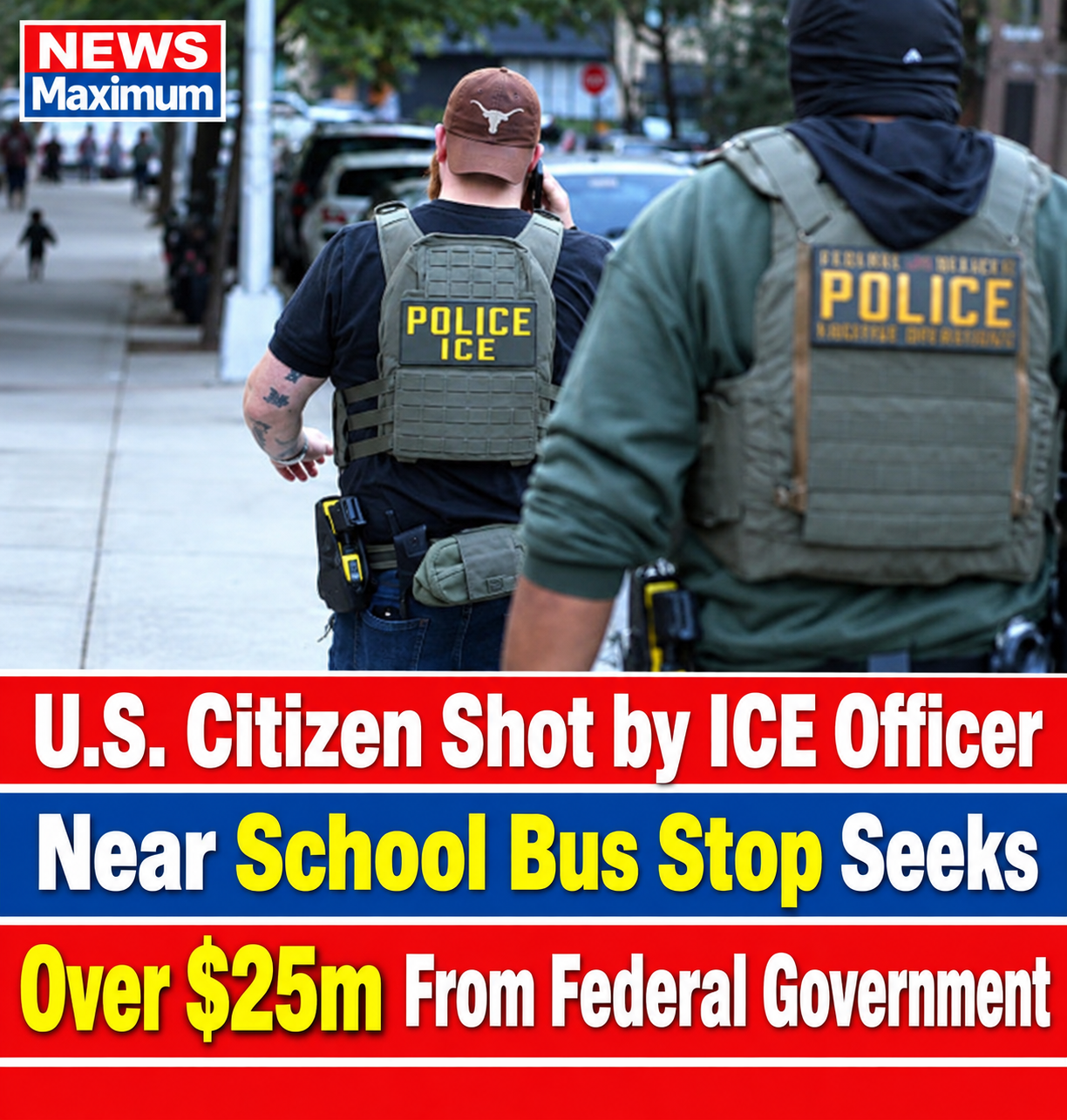
A California man who was shot during a federal immigration operation and later prosecuted for allegedly using his vehicle against an officer is taking his case to civil court, demanding more than $25 million in compensation from the United States government.
Carlos Jimenez, an American citizen and father of three from Ontario, California, filed the lawsuit on November 6, 2026, challenging the actions of federal officers during an encounter that left him with gunshot injuries and subsequently led to criminal charges against him.
The dispute centres on an incident on October 30, 2025, when Jimenez encountered Immigration and Customs Enforcement (ICE) officers operating in his neighbourhood. His lawyers maintain that he had stopped to alert the agents that children would soon be gathering at a nearby school bus stop and that he was trying to leave when an officer opened fire.
According to the 54-page complaint, Jimenez was travelling to work at a food pantry when he came across the immigration operation. The lawsuit alleges that he approached the officers to raise concerns about armed federal agents conducting an operation close to where schoolchildren were expected to assemble.
The complaint further claims that ICE officer Eusebio Ortiz pointed a firearm at Jimenez, threatened to shoot him and ordered him to leave the area. Jimenez allegedly complied but encountered difficulty manoeuvring his vehicle because of the positioning of officers’ vehicles.
His legal team says he was attempting a three-point turn when Ortiz fired several shots through the rear passenger-side window. The bullets struck him in the back and right shoulder.
The injuries reportedly included a displaced fracture of his right shoulder blade, while bullet fragments remained lodged inside his body close to his right lung.
Federal authorities have presented a substantially different explanation of the shooting. The Department of Homeland Security previously alleged that Jimenez reversed his vehicle directly towards officers, creating an immediate danger to their lives.
According to the department, Ortiz responded by firing defensive shots because he feared being struck by the vehicle. The federal government’s account formed part of the circumstances surrounding the criminal prosecution that followed.
Jimenez’s lawyers, however, dispute that version, arguing that he was attempting to move away from the officers rather than attack them. The conflicting accounts of his vehicle’s movements and the circumstances in which the shots were fired are among the central issues the civil lawsuit seeks to address.
The complaint also raises questions about what happened after Jimenez arrived at the hospital for treatment.
His lawyers allege that FBI agents interfered with his medical care, including restricting his access to medical personnel before removing him from his hospital bed and placing him in restraints.
The lawsuit claims agents subsequently transported him back to the location of the shooting for questioning despite his injuries and the presence of bullet fragments in his body.
Jimenez allegedly experienced bleeding and vomiting during the journey. He was later taken to West Valley Detention Center, where the complaint accuses authorities of failing to provide adequate medical attention and necessary medication.
Another significant aspect of the lawsuit concerns the conduct of FBI Special Agent Estevan R. Banuelos, whom Jimenez accuses of including inaccurate witness accounts in investigative records.
According to the complaint, two individuals whose statements were attributed to them in an FBI interview report later disputed having made those statements. Jimenez’s legal representatives claim the individuals also told a defence investigator that they had not witnessed the shooting.
The allegations raise questions about the evidence used to support the federal prosecution. However, neither the alleged fabrication of witness statements nor the claims of misconduct have been established through a judicial finding.
Before filing the civil action, Jimenez had faced a federal charge accusing him of assaulting an officer with his vehicle. A grand jury returned an indictment against him in November 2025.
His defence team subsequently sought access to communications and other records relating to the immigration operation, including messages exchanged by officers using government-issued and personal devices.
The dispute over the requested material eventually reached U.S. District Judge Kenly Kiya Kato, who in May 2026 directed the government to produce relevant communications. The judge also required a sworn declaration from Ortiz if no responsive messages from him existed.
The criminal proceedings later took a different direction after Jimenez entered a diversion agreement with federal prosecutors. He completed the requirements of the arrangement, leading to the dismissal of the criminal case on November 2, 2026.
The dismissal was with prejudice, preventing the same charge from being brought against him again. However, the decision was not a judicial determination that Ortiz or other federal officers had acted unlawfully.
The Justice Department maintained that Jimenez requested the diversion arrangement and that prosecutors sought the dismissal after he successfully completed its conditions. Federal prosecutors also argued that he had the option of taking the criminal case to trial.
Jimenez’s civil lawsuit now seeks to hold the government and other named defendants financially responsible for the alleged shooting, arrest, prosecution and treatment he received while in custody.
The defendants include the United States government, Ortiz, two Customs and Border Protection officers, FBI Special Agent Banuelos, San Bernardino County and several unidentified individuals.
The compensation demand includes $25 million in non-economic damages, with an additional amount of nearly $179,000 covering medical expenses, lost income, property damage and other related costs.
Among the claims brought against the defendants are excessive use of force, false arrest, malicious prosecution, assault and denial of adequate medical care.
The case places renewed attention on the use of force during federal immigration operations and the procedures followed when civilians become involved in encounters with immigration officers.
For Jimenez, the end of the criminal prosecution has not settled the wider dispute over what happened in October 2025. His new legal action seeks financial compensation and an examination of the conduct of the officers and investigators involved.
The government and the individual defendants will have an opportunity to respond to the allegations as the civil proceedings advance. Until the claims are determined by the court, the accusations in the complaint remain allegations rather than established findings of liability.